Series: Great Songs · Format: List Feature · Site: SlaveToMusic
Five songs that did not just sound new. They changed the rules: structure, voice, guitar language, production, and the idea of what a rock song is allowed to be.

The easiest way to write about “great songs” is to repeat the usual classics. The harder way is to pick tracks that feel like turning points. Not because they were popular, but because they changed the grammar of rock: how long a song can stretch, how a voice can function, how guitars can speak, how minimal production can hit harder than volume, how pop can become psychological.
Below are five songs that still sound like a door opening. Each one deserves a full Great Song deep dive, and this article can become your hub page with internal links as you publish them.
In this post:
- David Bowie, “Station to Station”
- Patti Smith, “Gloria”
- Bruce Springsteen, “Atlantic City”
- Television, “Marquee Moon”
- Prince, “When Doves Cry”
1) David Bowie – “Station to Station” (1976)
Artist: David Bowie · Album: Station to Station · Year: 1976

Few tracks feel like a metamorphosis happening in real time. “Station to Station” begins in darkness, almost mechanical: distant metallic textures, a pulse that sounds closer to a moving engine than to a rock band. Then, slowly, it reorganises itself into a hypnotic groove.
This is where Bowie’s Thin White Duke era fully arrives. The persona is cold, elegant, and unsettling, and the music mirrors that mood. The track fuses different worlds that usually do not share a room: the discipline of repetition, the drive of soul rhythm, and the European appetite for minimalism.
The result is not a standard “song” structure. It is closer to a ritual: long, deliberate, and built to shift the listener’s sense of time.
Next: Read the full Great Song analysis of “Station to Station”.
2) Patti Smith – “Gloria” (1975)
Artist: Patti Smith · Album: Horses · Year: 1975

“Gloria” opens Horses with a line that changes the air in the room. It is the kind of entrance that tells you the rules have been rewritten. Smith takes a 1960s garage-rock song and transforms it into something else entirely: part sermon, part poem, part punk prophecy.
The structure becomes elastic. Spoken-word passages stretch the time, then the band snaps the song back into motion. What matters is not polish, but intention. This is one of the clearest moments where rock music makes space for literature without losing its physical punch.
Next: Read the full Great Song analysis of “Gloria”.
3) Bruce Springsteen – “Atlantic City” (1982)
Artist: Bruce Springsteen · Album: Nebraska · Year: 1982

“Atlantic City” is one of Springsteen’s most devastating songs, and it achieves its power through restraint. Recorded on a simple four-track setup for Nebraska, it strips rock down to bare essentials: voice, acoustic guitar, and a story that feels like a confession.
The narrator is not heroic. He is trapped between need and consequence, and that tension is the point. The song’s greatness lives in its moral blur: survival language, not triumph. It is a reminder that sometimes the most “rock” thing you can do is remove the stadium and leave the truth.
Next: Read the full Great Song analysis of “Atlantic City”.
4) Television – “Marquee Moon” (1977)
Artist: Television · Album: Marquee Moon · Year: 1977

In the late 1970s, punk often meant speed, aggression, and short forms. Television did something braver. They stretched.
“Marquee Moon” unfolds like a long conversation between two guitars. Tom Verlaine and Richard Lloyd build interlocking lines that feel closer to improvisation than to riff culture. The groove stays lean, the tone stays bright, and the song keeps climbing without rushing the payoff.
Its influence is everywhere: post-punk, indie, art-rock, and any band that believed precision could still be dangerous.
Next: Read the full Great Song analysis of “Marquee Moon”.
5) Prince – “When Doves Cry” (1984)
Artist: Prince · Album: Purple Rain · Year: 1984
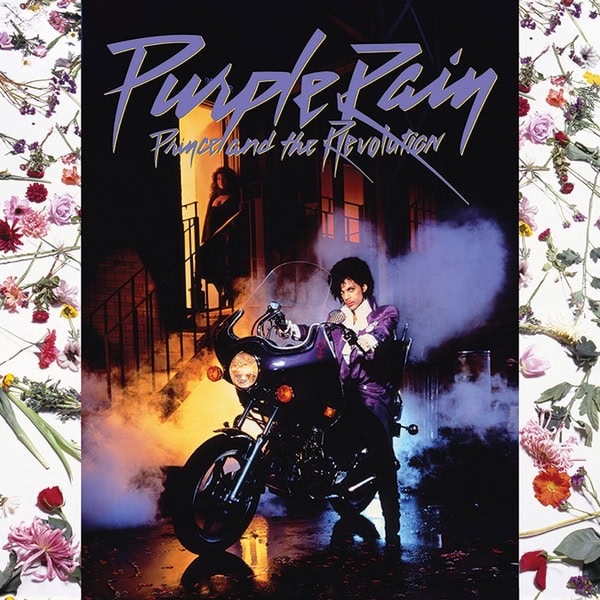
“When Doves Cry” breaks a rule so fundamental you feel it before you notice it. Prince removes the bass line. The track becomes lean and unstable, driven by drum machine snap, sharp synth edges, and a vocal performance that shifts from control to confession.
The lyrics are not just about a relationship. They are about inheritance: what you absorb from your parents, what you repeat, what you cannot escape. That psychological pressure turns a pop single into something stranger, darker, and more adult than most radio hits of its era.
Next: Read the full Great Song analysis of “When Doves Cry”.