Pink Floyd: The Ultimate Guide
A living hub for history, albums, themes, and deep dives on SlaveToMusic.
From Syd Barrett’s psychedelic spark to Roger Waters’ conceptual peak and David Gilmour’s melodic guitar voice,
this page keeps everything in one place: the timeline, the essential records, and the articles that go deeper.
To understand Pink Floyd properly, you have to start before the stadiums, before the concept blockbusters, and before the myth hardened into monument. The early years matter because they contain the band’s first language: instability, imagination, atmosphere, and the idea that rock music could create an entire mental space.
Key Milestones Timeline
- 1965: Formed in London out of the city’s underground scene, first as a developing club band before becoming Pink Floyd.
- 1966: Emerges as a defining presence at the UFO Club, where improvisation, light shows, and Syd Barrett’s songs turn the group into one of the central names of British psychedelia.
- 1967: Debut album The Piper at the Gates of Dawn captures the band at its most playful, strange, and visionary.
- 1968: Syd Barrett exits; David Gilmour becomes a core member. The band loses its first architect and begins a difficult but crucial reinvention.
- 1968: A Saucerful of Secrets documents the transition: part Barrett shadow, part search for a new collective identity.
- 1969–1970: Soundtrack work and experimental records expand the band’s palette beyond psychedelic pop into mood, space, and abstraction.
- 1971: Meddle, especially Echoes, points clearly toward the mature Pink Floyd sound.
- 1972: Live at Pompeii helps define the band’s visual and musical mystique: no audience, no rock-star theatrics, just atmosphere and scale.
- 1973: Global breakthrough with The Dark Side of the Moon.
- 1975: Wish You Were Here refines the band’s emotional and sonic identity while confronting absence, memory, and the ghost of Barrett.
- 1977: Animals turns social critique into hard-edged, large-scale progressive rock.
- 1979: The Wall becomes a cultural event and a rock opera landmark.
- 1983: The Final Cut pushes Waters’ thematic control to its most personal and divisive extreme.
- 1985: Roger Waters departs.
- 1987: A Momentary Lapse of Reason reintroduces Pink Floyd under Gilmour’s leadership.
- 1994: The Division Bell closes the main studio era.
- 2005: One-night reunion at Live 8 brings the classic lineup back together for the final time.
- 2014: The Endless River released as a final studio statement, rooted in memory and atmosphere.
Core Lineup and Roles
Classic lineup: Roger Waters (bass, vocals), David Gilmour (guitar, vocals),
Richard Wright (keyboards, vocals), Nick Mason (drums).
Early catalyst: Syd Barrett (guitar, vocals, early era). More than a founding member, Barrett gave the band its first creative identity: surreal songwriting, unstable beauty, eccentric phrasing, and a refusal to behave like a conventional rock act.
The transition: After Barrett’s departure, Pink Floyd did not immediately become the band most listeners now recognize. There is a crucial in-between phase where the group learns to replace a single visionary center with collective architecture.
How the band works
- Barrett: the original spark — whimsy, distortion, fragility, and a distinctly English surrealism.
- Waters: narrative focus, concepts, lyrical bite, paranoia, and emotional confrontation.
- Gilmour: melodic guitar phrasing, vocal warmth, and the ability to turn emotion into pure sound.
- Wright: harmony, atmosphere, ambiguity, and the dreamlike dimension that keeps the music open.
- Mason: patience, feel, and structural instinct; less about display, more about framing the music’s long arcs.
Essential Discography
The list below follows the major eras of the band, but it gives proper weight to the early records and transition works that made the later masterpieces possible.
| Album | Year | Key themes and listening angle | Cover |
|---|---|---|---|
| The Piper at the Gates of Dawn | 1967 | The beginning: psychedelic, playful, eerie, and radically imaginative. Not yet the monumental Pink Floyd, but the first proof that the band could turn songs into worlds. | |
| A Saucerful of Secrets | 1968 | A fascinating fracture point. Half haunted by Barrett, half moving toward something more spacious and abstract. | |
| Meddle | 1971 | A true bridge album. Echoes in particular feels like the blueprint for the band’s mature balance of atmosphere, tension, and release. | |
| The Dark Side of the Moon | 1973 | Time, money, pressure, mortality. A seamless album experience built from songs, sound design, thematic unity, and flow. | 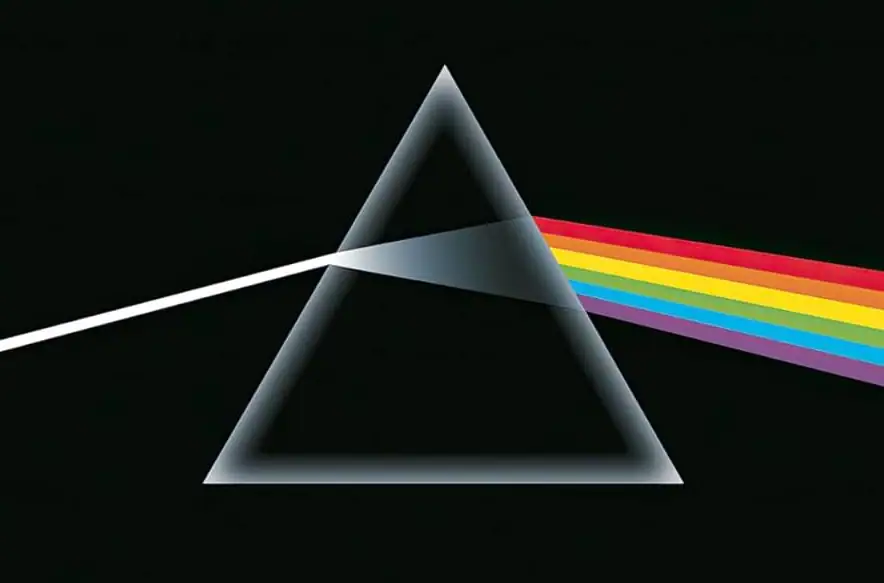 |
| Wish You Were Here | 1975 | Absence, industry disillusionment, memory, and the human cost of brilliance. One of the band’s most direct emotional links back to Syd Barrett. | 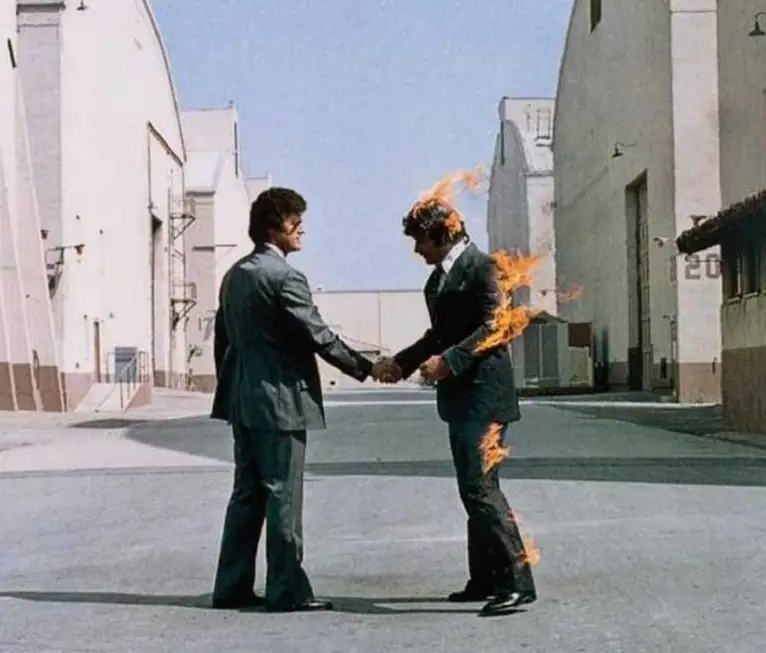 |
| Animals | 1977 | Power, class, cynicism, and social allegory. Harsher and more confrontational than the albums around it, with immense instrumental force. | 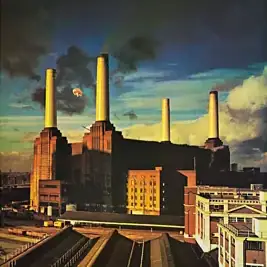 |
| The Wall | 1979 | Isolation, trauma, performance, and self-protection. A rock opera where character, motif, and psychological framing matter as much as individual songs. | 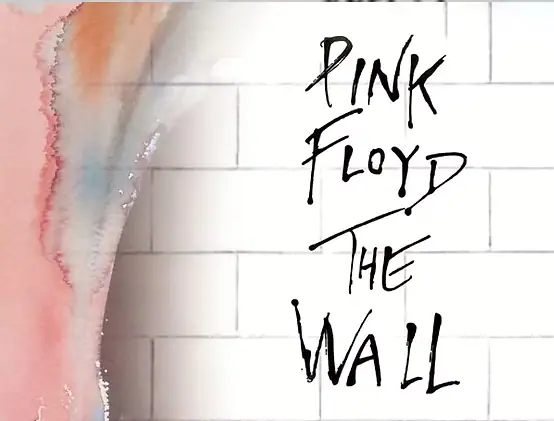 |
| The Division Bell | 1994 | Communication, distance, and reflection. A late-era record centered on mood, melodic guitar, and spacious production rather than conceptual severity. | 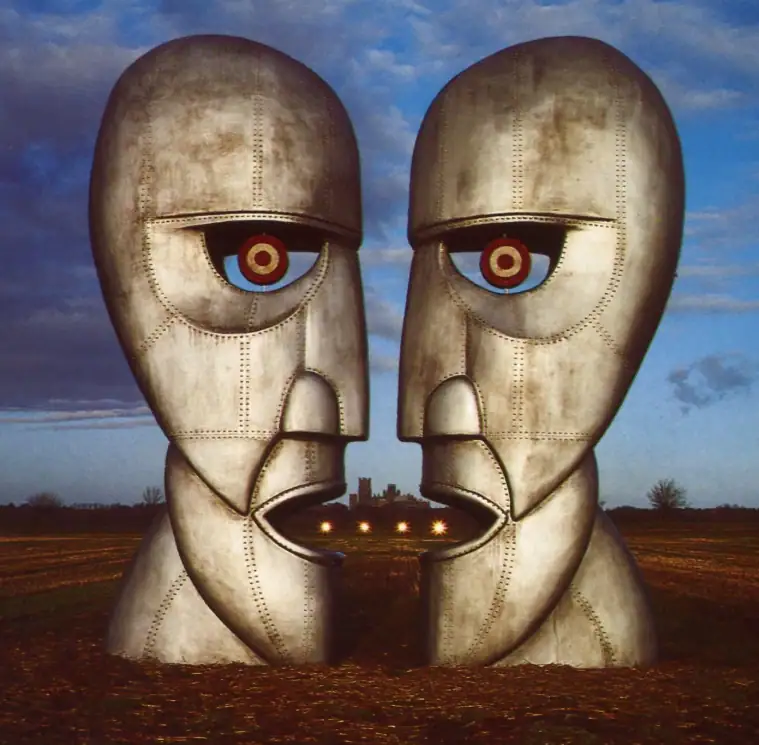 |
| The Endless River | 2014 | Ambient, reflective, and often wordless. Best heard not as a conventional comeback, but as a final meditation on texture, memory, and Richard Wright’s presence. | 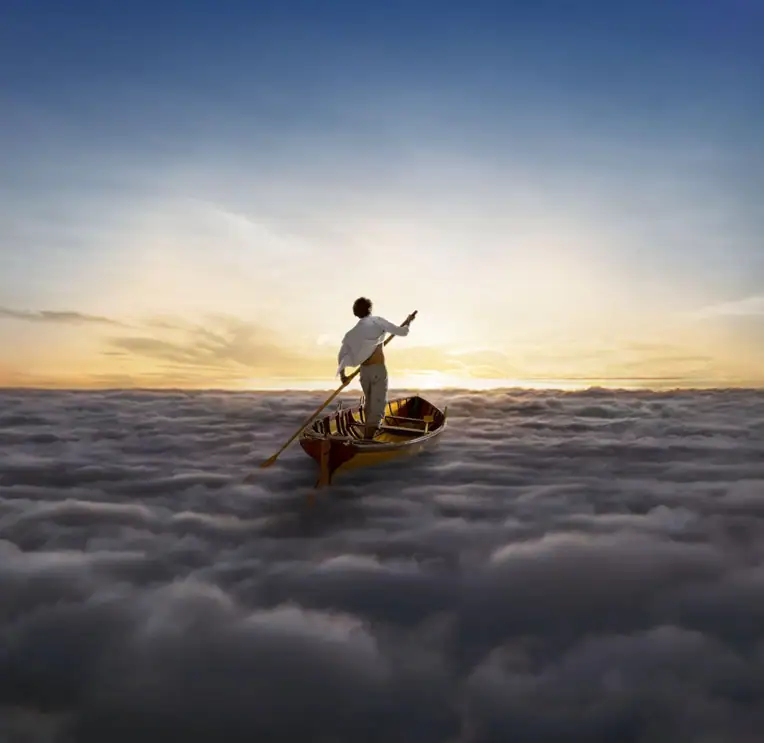 |
Themes and the Pink Floyd sound
Why the albums feel like worlds
Pink Floyd albums often work as continuous environments rather than simple collections of songs. Transitions, recurring motifs, studio effects, spoken fragments, keyboard textures, and silence all help shape that effect.
What makes the band distinctive is not only progressive structure, but atmosphere: a feeling that the music is unfolding as landscape, architecture, or memory.
Why the early years matter
The Barrett era is not just a historical curiosity. It establishes three permanent traits: a taste for altered perception, a distrust of straightforward realism, and an instinct for sound as mood. Even when the songwriting becomes more disciplined later on, those instincts remain.
From experiment to concept
One of the most fascinating things about Pink Floyd is the way the band evolves without fully abandoning its past. The whimsical dislocation of the 1960s becomes existential pressure in the 1970s. Psychedelic drift becomes conceptual structure. Fragility becomes monument.
Recurring themes
- Time: aging, regret, urgency, routine, and the terror of realizing life has been moving while you were not paying attention.
- Alienation: walls between people, emotional withdrawal, public masks, and private collapse.
- Power and money: systems that reward greed, deform values, and reduce people to roles.
- War and trauma: inherited scars, memory, nationalism, and the damage history leaves inside the individual.
- Mind and perception: instability, pressure, fragmentation, and the uneasy boundary between inner and outer reality.
- Absence: missing people, missing selves, and the strange way memory can be both tribute and wound.
Deep Dives and Song Analyses on SlaveToMusic
- Shine On You Crazy Diamond: The Hidden Meaning
– A tribute to Syd Barrett and one of the clearest emotional keys to the band’s history. - Time and Breathe – the relentless march of life.
- Money – satire, shine, and the sound of greed.
- Comfortably Numb – detachment, despair, and the guitar as confession.
- Echoes – the long-form journey that maps the band’s future.
- Live at Pompeii
- Us and Them
- Wish you were here
SlaveToMusic. Where great songs get the analysis they deserve.